Steel Roofing for Siding: Can You Use It and How?
Steel roofing, known for its durability and longevity, often leaves homeowners pondering: can you use steel roofing for siding? While steel is indeed a versatile material, roofing and siding serve different purposes and have distinct requirements. Let's explore this question in-depth to provide a comprehensive understanding.
Steel roofing and siding both have their unique advantages, but they are designed to function optimally in their specific roles. This article delves into the suitability of steel for both applications, the differences between the two, and whether it's worth considering steel as an alternative siding material.
Understanding Steel Roofing
Steel roofing is renowned for its longevity, typically lasting between 40 to 70 years, with some premium types lasting even longer. Its durability, along with its energy efficiency and low maintenance, makes it an attractive option for homeowners seeking a long-term solution.


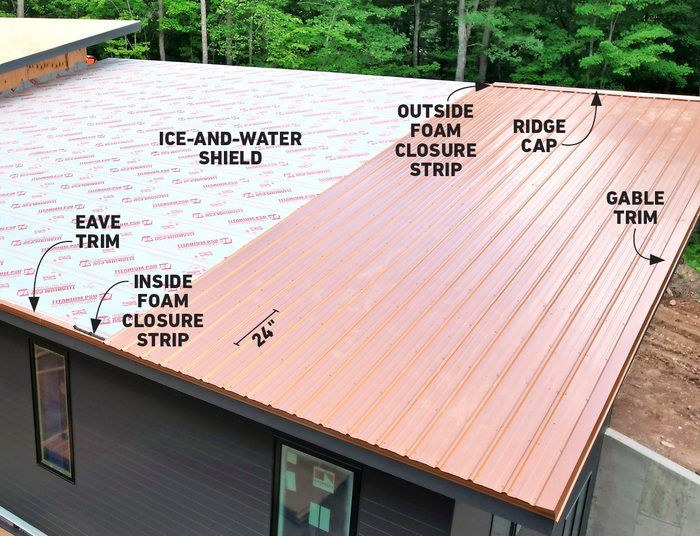
Steel roofs are installed in large, interlocking panels, which allows for quick and efficient installation. However, this method may not be suitable for complex architectural designs that require intricate cutting and fitting.
Why Steel is Ideal for Roofing
Steel's primary advantage lies in its strength-to-weight ratio. It can withstand heavy snow loads, high winds, and extreme temperatures, making it an excellent choice for roofing in diverse climates. Additionally, steel does not warp, crack, or succumb to insects like some other materials.


Another significant benefit is its reflectivity, which helps maintain a cooler home interior, thus reducing energy costs. Certain types of steel roofing can even mimic the look of wood shake, tile, or slate, providing aesthetic versatility.
Limitations of Steel Roofing for Siding
Despite its numerous benefits, steel roofing faces challenges when considered for siding. Firstly, steel's weight can pose a structural risk for exterior walls, which are not designed to support the same loads as roofs. Secondly, the installation process for large, interlocking panels is not well-suited to the smaller, more complex cuts typically required for siding.
Moreover, steel siding may not provide the same level of insulation as dedicated siding materials, which could potentially increase energy bills. Lastly, while steel is resistant to rust, its performance is governed by the quality of the coating and proper installation, all of which add to the overall cost.


Exploring Steel Siding Options
Given the constraints of using steel roofing for siding, alternative steel siding products have emerged to cater to homeowners interested in steel. These products address some of the challenges posed by using steel roofing for siding.
Steel siding, specifically engineered for exteriors, is lighter and more malleable, allowing for easier installation and better conformity to irregular wall shapes. It also comes with advanced coatings to protect against rust and maintain its appearance over time.
Benefits of Dedicated Steel Siding
Steel siding offers many advantages, including durability, resistance to rot, insects, and fire, and low maintenance. It can also be designed to mimic the look of wood, vinyl, or other traditional siding materials. Moreover, dedicated steel siding products are typically less expensive than their rust-free counterparts, making them an affordable option.



Additionally, steel siding can be recycled, contributing to a more sustainable environment. Its panels typically come with interlocking joints that allow for quick and seamless installation, reducing labor costs.
Drawbacks of Steel Siding
While steel siding has its merits, it's not without its downsides. Steel can dent and scratch, which may be a concern in high-traffic or vulnerable areas of the home. Moreover, while steel siding is rust-resistant, improper maintenance or damage to the protective coating can lead to rust buildup.
Finally, steel siding may not provide the same level of insulation as other dedicated siding materials, potentially impacting energy efficiency. However, combining steel siding with proper insulation can mitigate this issue.
Ultimately, while you can use steel roofing for siding with significant modifications and compromise, dedicated steel siding products offer a more viable and practical solution. Before making a decision, consider consulting a professional who can provide tailored advice based on your home's specific needs and local climate. After all, the best siding material is one that balances aesthetics, performance, and budget to meet your unique requirements.
Related Articles

Liberty Exteriors: Quality Roofing & Siding Solutions
Discover the quality and craftsmanship of Liberty Exteriors LLC, a premier provider of exterior home improvement services in the local area, known for...
Metal Siding vs Roofing: What's the Difference?
Metal siding and metal roofing are both popular choices for homeowners due to their durability, energy efficiency, and aesthetic appeal. However, when it comes...
Metal Roofing for Siding: Can You Use It?
In the world of construction and renovation, the versatility of materials is key. One material that has gained significant attention is metal roofing. But can...

M&M Roofing, Siding & Windows: Your Home's Perfect Protection & Aesthetic
Transforming your home's exterior deserves careful consideration, not only for aesthetic appeal but also for durability and energy efficiency. That's where M&M...

Coastal Siding & Roofing: Durable Protection for Your Home
The coastline may be a picturesque locale for your home, but it's also a challenging environment for your exterior. The salty air, relentless sun, and frequent...
M&R Roofing & Siding: Expert Installation & Repair
When it comes to protecting and enhancing your home's exterior, few names are as trusted as M & R Roofing and Siding. With a commitment to excellence and a...