Standard Bedroom Size: A Comprehensive Guide
The bedroom, a sanctuary where we retreat to for relaxation and rejuvenation, is a multifaceted space that should cater to our individual needs and preferences. One of the first steps in designing or renovating a bedroom is determining its size, which can significantly impact its functionality and aesthetic.
Standard bedroom sizes vary globally, influenced by cultural norms, architecture trends, and real estate market demands. In many regions, however, the industry standard for a bedroom size tends to fall within a specific range. Let's delve into the world of standard bedroom sizes, their influences, and what they mean for your space.
Understanding Industry Standards
The term "standard" in bedroom size is often subjective and can vary based on location and context. In many Western countries, such as the US and UK, the term "standard" is typically associated with a certain square footage or meterage.


However, it's essential to note that these standards aren't rigid rules set in stone. They are more like guidelines, influenced by many factors, including local building codes, real estate values, and consumer preferences.
US Bedroom Sizes
In the United States, the average bedroom size is around 100 square feet (9.3 square meters). However, the definition of "standard" can shift based on the region and house type. For instance, in newer homes, a standard bedroom might be larger, averaging around 120 square feet (11.1 square meters).


Historically, smaller bedrooms of around 80 square feet (7.4 square meters) were more common, reflecting the housing trends of the mid-20th century. Today, minimum building codes often dictate a slightly larger size, typically around 70-80 square feet (6.5-7.4 square meters).
UK Bedroom Sizes
In the United Kingdom, the term "standard" is often associated with the size of a typical hotel room - around 107 square feet (10 square meters), including ensuite bathrooms. However, this can vary significantly, especially in older homes.
In new homes, the minimum size for a bedroom is often dictated by building regulations, which is currently around 70 square feet (6.5 square meters) for newly built homes in England. In Scotland, the minimum size is slightly larger, at 85 square feet (7.9 square meters).


Factors Influencing Bedroom Size
Bedroom sizes aren't merely swayed by arbitrary standards or industry codes. They're also influenced by several practical and societal factors.
**Real Estate Market Trends:** The demand for certain types of housing often drives bedroom sizes. In markets where larger homes are in demand, bedrooms tend to be bigger. Conversely, in dense urban areas where space is a premium, bedrooms can be smaller.
Cultural Norms and Preferences
Cultural norms also play a significant role in bedroom sizes. Some cultures prioritize shared spaces over large private bedrooms, while others value personal space and privacy. These preferences can shape the size and layout of bedrooms in different regions.


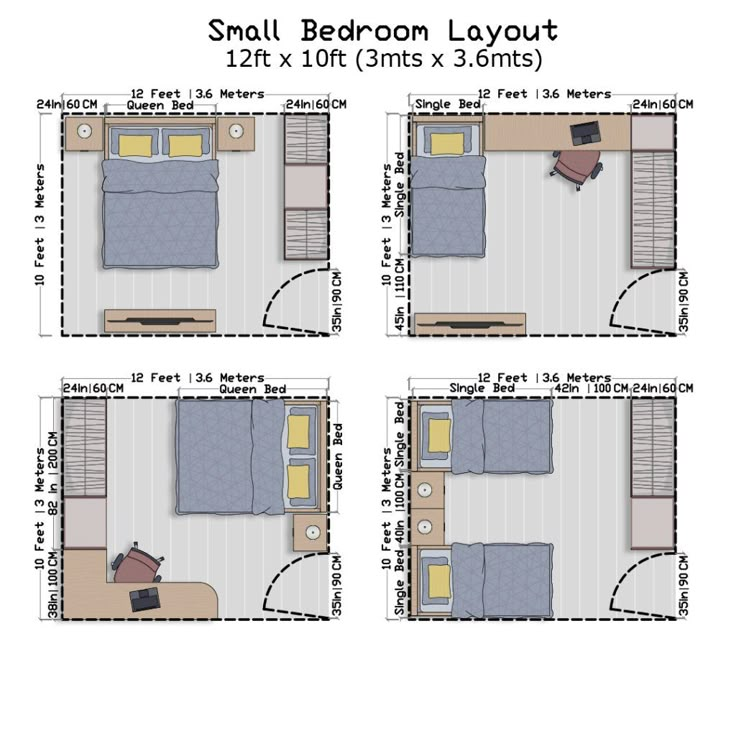


For example, in the US, where individualism is highly valued, it's not unusual to find a house with multiple bedrooms but no dining room. In contrast, in parts of Asia, communal living is more common, which can result in smaller, multi-purpose bedrooms.
Local Building Codes and Regulations
Government regulations and building codes can also impact bedroom sizes. These rules are designed to ensure safety and habitability, setting minimum size requirements for bedrooms. They can vary significantly by location, contributing to the regional differences in standard bedroom sizes.
For instance, in some places, a minimum room size may be necessary to accommodate an emergency egress window, making the bedroom larger than it might otherwise be.
Ultimately, the "standard" bedroom size is a fluid concept, influenced by a myriad of factors. Whether you're building, buying, or renovating, understanding these factors can help you make informed decisions about your space. So, consider not just the size, but also the layout, features, and furniture that can help you create a bedroom that truly reflects your needs and personality. After all, it's not just about the size; it's about creating a space that feels right for you.
Related Articles
Standard Bedroom Sizes in the Philippines: A Comprehensive Guide in Meters
In the dynamic real estate scene of the Philippines, space and size matter greatly when it comes to bedroom design and arrangement. Homeowners and renters...

Standard Garbage Can Sizes: A Comprehensive Guide
/ The size of a standard garbage can is an essential factor to consider when it comes to waste management, both at home and in public spaces. Understanding the...

Standard UK Garage Door Sizes: Comprehensive Guide
The standard UK garage door size is an essential consideration when you're updating or installing a new garage door. Understanding the typical dimensions can...
Ideal Standard Luxury Bedroom Sizes: Complete Guide
When it comes to designing a bedroom, size matters. It's not just about fitting the essentials like a bed and dresser; it's about creating a space that's...

Standard Residential Exterior Door Sizes: A Comprehensive Guide
When it comes to residential construction, one of the most commonly asked questions is about standard exterior door sizes. Understanding these dimensions is...
Standard Residential Garage Door Sizes: A Comprehensive Guide
The garage door, a vital component of any home, serves as a protective barrier and an aesthetic statement. Understanding the standard residential garage door...