Types of Contemporary Interior Design Styles
In the ever-evolving world of design, contemporary style has carved a significant niche for itself, blending modern aesthetics with functionality. This style is characterized by clean lines, innovative materials, and a seamless integration of technology into everyday life. Let's delve into the diverse types of contemporary style, each offering a unique take on this forward-thinking aesthetic.
Contemporary style is often confused with modern and minimalist designs, but it stands apart with its focus on present-day trends and influences. It embraces a wide spectrum of styles, from sleek and avant-garde to rustic and eclectic. Now, let's explore some of these types in detail.
Minimalist Contemporary Style
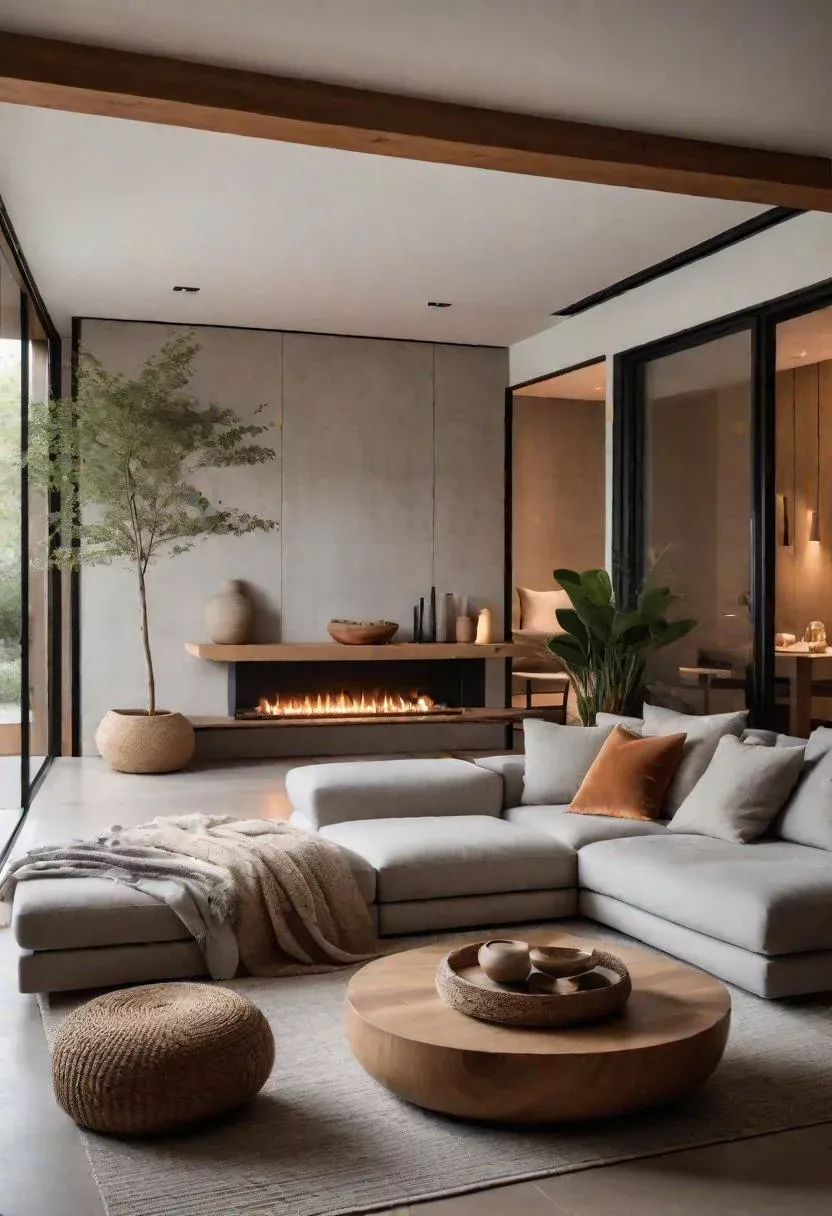
Minimalist contemporary style is perhaps the most well-known iteration of this design genre. It emphasizes simplicity, functionality, and a 'less is more' approach. Neutral colors, uncluttered spaces, and striking, uncomplicated architecture define this style.


In the realm of furniture and decor, expect to see clean lines, sharp angles, and a scarcity of ornamentation. Materials like stainless steel, glass, and natural wood are commonly used. This style is perfect for those seeking a calming, clutter-free environment.
Open Floor Plans & Multi-purpose Spaces
Open floor plans are a hallmark of minimalist contemporary homes. They maximize square footage by doing away with walls and dividers, encouraging a seamless flow from one space to another. Multi-purpose rooms, such as living-dining combinations, are also popular in this style.


However, this doesn't mean lack of privacy. Glass walls, sliding panels, or strategically placed furniture can divide spaces without compromising on the open feel. For instance, a room divider made of sliding glass panels can segment a living space from a home office while still allowing light and views to pass through.
Monochromatic Color Schemes & Neutral Tones
Neutral colors and monochromatic schemes are the order of the day here. Think shades of white, black, grey, and beige. Accents, when used, are subtle and not overpowering. The idea is to create a serene backdrop that lets the architecture and key furniture pieces take center stage.
For example, a living room dressed in varying shades of grey can be accented with a single, striking piece of art or a bold area rug to bring in a touch of color. This approach allows the eye to appreciate the space's clean lines and simple design without distraction.


Eclectic Contemporary Style
Eclectic contemporary style takes the rules of contemporary design and throws them out the window. It's all about mixing and matching different styles, periods, and cultures to create a unique, personalized space. The only constant is the use of contemporary elements, like innovative materials and clean lines.
Eclectic contemporary spaces are often filled with surprises - an industrial-style pendant lamp hanging over a traditional dining table, or a sleek, modern sofa placed in a room adorned with vintage art and antique furniture.
Layering Textures & Patterns
In eclectic contemporary design, textures and patterns from various eras and cultures come together to create visual interest. You might find a shaggy, 70s-inspired rug sharing space with a leather, mid-century modern sofa and a contemporary glass coffee table.


To prevent the space from feeling chaotic, tie these disparate elements together with a consistent color scheme. For instance, using earthy tones like terracotta, mustard, and forest green can unify diverse styles in a bohemian-inspired room.
Mixing Vintage & Modern Furniture
For eclectic contemporary style, think of the past, present, and future coexisting in harmony. Pair a vintage sideboard with contemporary bar stools, or stick a mid-century modern table in the middle of a traditionally designed bedroom. The key is to strike a balance, ensuring each piece holds its own without dominating the others.
To achieve this, consider the scale and proportion of each piece. A large, statement vintage artwork can hold its own against a wall of contemporary-built-ins. Conversely, a delicate, antique accent chair will be dwarfed by an oversized, contemporary sectional sofa.
In the end, every contemporary style, be it minimalist or eclectic, shares one common goal - to create comfortable, livable spaces that reflect the people who inhabit them. So, whether you prefer sleek and sophisticated or bold and eclectic, there's a contemporary style out there just waiting for you to make it your own.
Related Articles

Cafe Interior Design: Exploring Popular Styles & Types
Café culture has evolved significantly over the years, and with it, the importance of captivating, comfortable, and unique interior design. Today's café-goers...

Top Luxury Interior Design Styles: The Most Expensive Trends
Imagine tailor-made luxury, where every detail is no less than a masterpiece. Welcome to the realm of opulence that is the world of high-end interior design...

Georgian Style Interior: Classic Elegance and Timeless Design
The charm of Georgian style settings , characterized by an elegant balance of symmetry and simplicity, endures as a classic choice for interiors today. This...

Transform Your Space: Kerala Style Interior Design for Living Rooms
Nestled in the tropical heart of India, Kerala's unique cultural heritage has inspired an exquisite interior design style that's captivating global...

Modern Office Lobby Interior Design: Contemporary Spaces for Success
In the contemporary workplace, the lobby is no longer just a transitional space; it's a vital extension of the company's brand and culture, setting the tone...

Decode Your Design Style: Unveil Your Interior Design DNA With This Exclusive Quiz
Ever wondered what your home says about you? What if your interior design preferences were like a fingerprint, uniquely revealing your personality? The...