Metal Over Metal: Can You Layer Metal Roofs?
Installing a metal roof over an existing one might seem like a quick fix, but it's important to understand the implications before making a decision. While it's technically possible, it's not always the best solution. Let's delve into the intricacies of this subject.
Metal roofs are durable, long-lasting, and require minimal maintenance. However, they're also expensive and require expert installation. Putting a metal roof over an existing one can save you the labor cost of removing the old roof, but it's not without its challenges and considerations.
Structural Integrity and Load Bearing
The primary concern when considering a roof-over is the structural integrity of your home. Metal roofs are heavy, and their weight can add significant stress to the underlying structure. Before proceeding, ensure your home's frame can support the additional weight.


Consult a structural engineer or a trusted roofer. They can assess your home's structure and determine if it can withstand the load of a new metal roof. If not, you'd have to reinforce the structure, which might negate the cost-saving benefits of a roof-over.
Snow Load and Slope
Snow load is another critical factor. If you live in an area with heavy snowfall, the combined weight of the two roofs could be problematic. Metal roofs aren't designed to handle the weight of another roof on top of them. In such cases, it's best to remove the old roof.


Roof slope is also a consideration. Metal roofs are not recommended for slopes less than 3/12. Given this, if your existing roof has a low slope, it's probably best to remove it instead of putting a metal roof over it.
Ventilation and Moisture Barrier
Ventilation is crucial for a healthy roofing system. A roof-over can trap heat and moisture, leading to premature degradation of both roofs. It can also cause mold and mildew growth in the attic, potentially damaging your home's structure and potentially affecting your family's health.
Similarly, installing a metal roof over an existing one can trap condensation between the two roofs. This moisture can saturate the insulation and wood decking, leading to rot and a significant reduction in your home's energy efficiency. It's thus vital to ensure proper ventilation when installing a metal roof, which might not be possible with a roof-over.


Other Considerations
In addition to structural and moisture concerns, there are other factors to consider.
A roof-over can void the warranties of both the old and new roofs. Warranty coverage for metal roofs often requires proper installation directly on the roof deck without any intervening materials. A roof-over may also affect your home's resale value, as potential buyers may prefer a newer, single roof rather than a double one.
Lighting and Aesthetics
A metal roof over an existing one can significantly reduces the height of your roof, which might affect any lighting fixtures or skylights you have. It could also change the aesthetic of your home, potentially lowering its curb appeal.


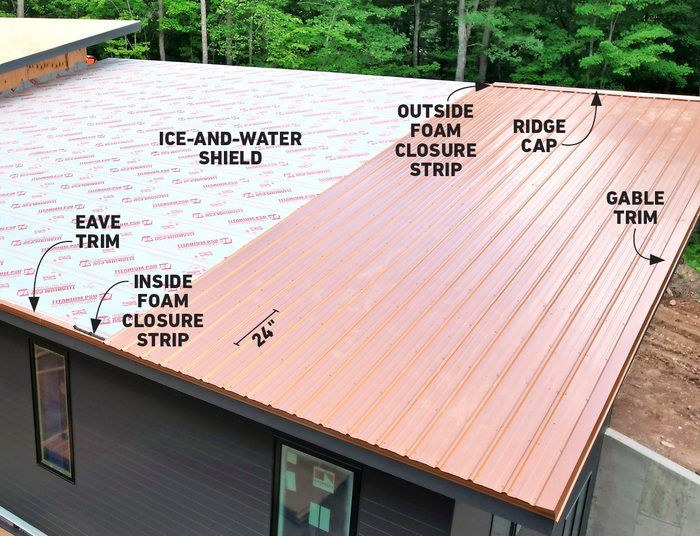


From a purely aesthetic point of view, a double roof doesn't look as clean or uniform as a single roof. The difference in slope between the two roofs can be unsightly and, in some cases, even make your home look shabbily maintained.
Long-Term Costs
While a roof-over may save you money initially, it might cost you more in the long run. A roof-over doesn't address any underlying issues with your existing roof. It may look fine from the outside, but without the opportunity to inspect and repair it, hidden problems could worsen over time, leading to costly repairs or a second roof replacement.
Moreover, roof-overs typically have a shorter lifespan due to the insulation and moisture issues discussed earlier. This means you may have to replace the roof in a much shorter time than if you'd replaced it once and done a proper job.
In the end, while a metal roof over an existing one might seem like a quick and convenient solution, it's not always the best choice. It's crucial to weigh the pros and cons, consult with professionals, and prioritize the long-term health and safety of your home. And remember, a durable, well-installed metal roof can last 40-70 years or more with proper maintenance. That's a length of time worth investing in, rather than taking shortcuts.
Related Articles
Pros and Cons of Black Metal Roofs: A Comprehensive Analysis
In the realm of residential and commercial roofing, the debate between metal and asphalt has been a long-standing one. However, there's another metal variant...

Best Metal Roof Gutters: Types & Guide
Roof gutters play a pivotal role in protecting your home from water damage, and their efficiency is closely tied to the material and design of your roof. When...
Is It Possible to Install a Metal Roof Over An Existing Roof?
When it comes to upgrading the roof of your home, the idea of 'metal over asphalt' can be tempting due to its potential cost savings and the growing popularity...
Metal Roof Types: A Visual Guide with Pictures
Discover the versatile world of metal roofing, a durable and stylish option for residential and commercial buildings. With a wide range of materials and...
Standing Seam Metal Roof Types: Expert Guide
Investing in a metal roof not only enhances your home's architectural appeal but also offers exceptional durability and energy efficiency. One of the most...
Can You Install Metal Roof Over Shingles?
Considering a roof replacement can be a substantial investment, homeowners often ask, "Can you put a metal roof over shingles?" The short answer is yes, but...