Is It Possible to Install a Metal Roof Over An Existing Roof?
When it comes to upgrading the roof of your home, the idea of 'metal over asphalt' can be tempting due to its potential cost savings and the growing popularity of metal roofs. But can you actually put a metal roof over an existing roof? The short answer is yes, but with a few important caveats to consider.
A metal roof can be installed directly over an existing asphalt shingle roof, provided that the roof structure is sound and there's no excessive moisture or mold buildup. This process is often referred to as a 're-roof' or 'overlay' project. However, this is a complex task that goes beyond simply nailing down new panels. It's crucial to weigh the pros and cons, understand the process, and consider the long-term implications.
Benefits of Installing a Metal Roof over an Existing Roof
The primary advantage of putting a metal roof over your existing roof is the cost savings. You avoid the expense of removing the old roof, which can account for a significant portion of the re-roofing budget. Additionally, metal roofs offer durability, low maintenance, and energy efficiency, making them a worthwhile investment.


Another benefit is the potential recouping of costs through increased property value. According to the '2020 Remodeling Impact Report' by the National Association of Realtors, homeowners can recoup between 60% to 69% of the cost of a new metal roof at resale, adding to the appeal of a re-roof project.
Savings on Roof Removal and Disposal
The cost of roof removal and disposal can be significant, especially in areas with high landfill costs or strict waste management regulations. By installing a metal roof over your existing one, you eliminate this expense and reduce waste sent to landfills.


Moreover, the time saved from not removing the old roof can speed up the installation process, reducing labor costs and potential delays caused by rainy or cold weather, which can temporarily halt roofing work.
Environmental Considerations
Leaving your old roof in place can also help reduce waste sent to landfills. Asphalt shingles make up a significant portion of construction and demolition waste, contributing to environmental concerns. By preserving your existing roof, you're contributing to a more sustainable environment, at least for the duration of your metal roof's lifespan.
Furthermore, metal roofs are recycleable at the end of their lifespan, making them an eco-friendlier choice for your home.


Circumstances When Overlay Isn't Advisable
While 'metal over asphalt' can be a viable option, there are instances where it's not recommended. The first factor to consider is the age and condition of your existing roof. If your asphalt shingles are severely damaged, cracked, or curling, adding a metal roof on top could create more problems than it solves.
Moreover, the structure beneath the roof needs to be sound, capable of supporting the added weight of the metal roofing. If the roof decking or rafters are already compromised, an overlay will only exacerbate the issue.
Excessive Moisture and Structural Issues
Trapped moisture can lead to mold and mildew growth, damaging the roof and potentially affecting the air quality inside your home. If there's already moisture buildup or signs of water damage on your existing roof, it's crucial to address these issues before installing a metal roof on top.


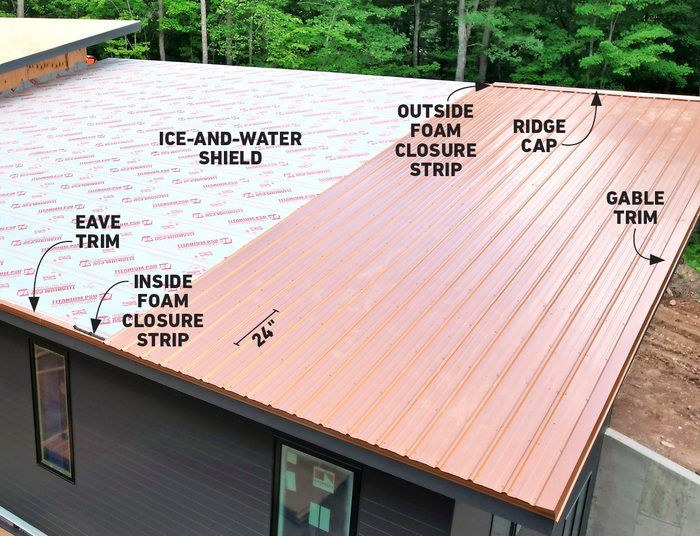


A professional inspection should reveal any structural issues or water damage, helping you make an informed decision about whether an overlay is a suitable choice for your home.
Ventilation Considerations
Proper ventilation is crucial for prolonging the life of your roof and maintaining a comfortable living environment. Installing a metal roof over an existing one can potentially compromise ventilation, leading to overheating and increased energy costs during summer months.
To ensure proper airflow, it's essential to install or maintain adequate venting in your new metal roof, such as ridge vents or powered attic ventilators. Roofing professionals can help determine the best ventilation strategy for your home.
Building Codes and HOA Regulations
Before proceeding with a re-roof project, it's essential to check with your local building department and homeowners association (HOA) to ensure that overlaying a metal roof is permitted in your area. Some regions have strict building codes against installing one roof over another, while HOAs may have their own rules against certain roofing materials or styles.
Non-compliance with building codes or HOA regulations could result in costly fines or the need to uninstall your new metal roof, making it crucial to confirm your plans beforehand.
Lastly, consider the long-term implications. While overlaying can save you money upfront, you may end up paying more in the long run if your asphalt roof needs frequent repairs due to damage caused by the metal roof above. Moreover, a future homeowner may prefer to tear off the old roof and install a new one, negating the benefits of your overlay project.
In conclusion, while putting a metal roof over an existing roof can be a practical solution for many homeowners, it's not a decision to be taken lightly. It's essential to evaluate your roof's condition, consider the long-term implications, and consult with a professional roofer to determine the best course of action for your home. By doing so, you can make an informed decision that ensures your roof not only looks great but also protects your home and provides lasting value.
Related Articles
Can You Install Metal Roof Over Shingles?
Considering a roof replacement can be a substantial investment, homeowners often ask, "Can you put a metal roof over shingles?" The short answer is yes, but...
Overlaying Metal: Can You Install a Metal Roof Over Rubber
Have you ever considered replacing your rubber roof with a metal one, or even wondered if you could just install metal sheeting on top of it? This guide...

Install New Drip Edge on Existing Roof: Step-by-Step Guide
Refreshing the look and protection of your roof can be as simple as installing a new drip edge. This straightforward project not only enhances your home's...

Can You Install Stone Veneer Over Existing Brick?
When it comes to enhancing the curb appeal of your home, the exterior plays a pivotal role. Many homeowners often wonder if they can put stone veneer over...

Can You Install Stone Veneer Over Existing Brick?
Have you ever considered enhancing your home's exterior with a fresh, new look? One popular way to achieve this is by adding stone veneer over existing brick...
Install Drip Edge on Existing Roof: A Step-by-Step Guide
Ever found yourself gazing at your home's roof and pondering, "Can you install a drip edge on an existing roof?" It's a valid question, especially when you're...