Overlaying Metal: Can You Install a Metal Roof Over Rubber
Have you ever considered replacing your rubber roof with a metal one, or even wondered if you could just install metal sheeting on top of it? This guide explores the feasibility, benefits, challenges, and best practices of putting a metal roof over a rubber roof.
The idea of overlaying a metal roof onto an existing rubber roof might seem like a tempting solution for quick and easy replacement, but it's not without its considerations. Let's delve into the details to help you make a well-informed decision.
Understanding the Key Differences
Before considering a metal roof over your rubber one, it's crucial to understand the distinct characteristics of both materials.


Rubber roofs, typically EPDM (ethylene propylene diene monomer), are known for their durability, flexibility, and low installation cost. They're often used in commercial and flat roofs due to their resistance to sunlight, weathering, and abrasion. On the other hand, metal roofs, made from materials like steel, aluminum, or copper, are chosen for their longevity, energy efficiency, and aesthetically pleasing appearance.
Metal Roofs: Pros and Cons
Metal roofs offer several advantages over rubber ones, including superior longevity (up to 40 to 70 years compared to rubber's 20 to 30 years), low maintenance, and high durability against extreme weather conditions. They're also recyclable, making them an eco-friendly choice.


However, metal roofs can be more expensive than rubber roofs in terms of both material and installation costs. They can also be noisy during heavy rain or hail, and while they can be shaped to mimic various styles, they lack the endless customization options that rubber offers.
Rubber Roofs: Pros and Cons
Rubber roofs excel in Price and ease of installation. They're great at withstanding foot traffic and are available in colors that can help to reduce the heating effect of the sun. Despite these positives, they're not as durable or weather-resistant as metal roofs, have a shorter lifespan, and can be susceptible to punctures and tears.
Moreover, rubber roofs can sometimes emit an unpleasant odor when exposed to high temperatures, and their seams can leak over time, leading to potential water damage and mold growth.


Can You Overlay a Metal Roof on a Rubber One?
While it's technically possible to install a metal roof over an existing rubber roof, it may not be the best solution for several reasons.
First, rubber roofs aren't designed to bear the extra weight of a metal roof. While they may initially support it, they could ultimately sag or cave in under the additional load, leading to costly repairs or even a complete roof replacement.
Inspection and Preparation
Before deciding to proceed with a metal roof installation, a thorough inspection of the existing rubber roof is essential. This involves checking for any damages, leaks, or weak points that could compromise the integrity of the roof and potentially lead to issues once the new metal roof is installed.


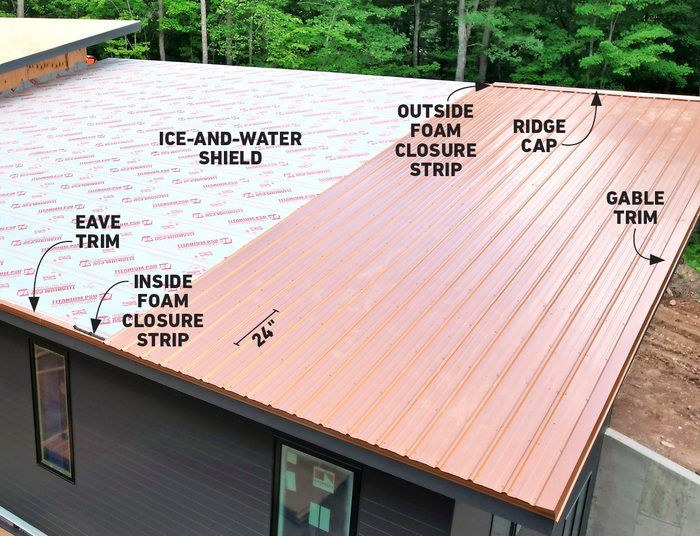

If the rubber roof is in good condition, it might be best to remove it completely before installing the metal roof. This allows for a clean, structural surface to work with and ensures that any potential issues with the rubber roof don't transfer onto the new one.
Pros of Overlaying a Metal Roof
Despite the risks, there are some situations where overlaying a metal roof on a rubber one might be feasible. For instance, if the structure can support the added weight, and the existing rubber roof is still in relatively good condition, an overlay could potentially extend the life of the rubber roof at a lower cost than a complete replacement.
Moreover, if the rubber roof has been installed improperly or is on a pitched surface, removing it could cause further damage. In such cases, as a last resort, it might be advisable to overlay the metal roof, ensuring it's done by a professional with experience in such projects.
Alternative Solutions
Instead of overlaying a metal roof on a rubber one, consider other viable options:
- Complete Replacement: This involves removing the entire rubber roof and replacing it with a new metal one. It's the most recommended solution as it provides a clean, structural surface for the new roof and prevents potential issues that could arise from an overlay.
- Partial Replacement: If only certain sections of the rubber roof are damaged or worn out, a partial replacement might be a suitable option. This involves replacing only the affected areas with a metal roof while leaving the rest of the rubber roof intact.
Cost-Effective Solutions
If budget is a concern, look into cost-effective alternatives. Standing seam metal roofing, for instance, can mimic the appearance of expensive shakes or slate roofs at a lower cost. Moreover, some manufacturers offer metal roofs with warranties that cover labor costs, making them a more affordable option in the long run.
Consider also federal, state, or local tax incentives for energy-efficient improvements. Metal roofs, due to their high reflectsivity and emissivity, can often qualify for these incentives, thereby offsetting some of the upfront costs.
Ultimately, the decision to put a metal roof over a rubber one should be based on a careful evaluation of the specific needs, budget, and circumstances of your property. While an overlay might seem like a quick fix, it may not be the most suitable or durable solution in the long run. It's always a good idea to consult with a professional roofing contractor who can assess your roof and provide tailored advice.
The future of your roofing lies in informed decisions and proactive maintenance. By weighing the pros and cons and seeking expert advice, you can ensure that your roof not only looks great but also stands the test of time.
Related Articles
Is It Possible to Install a Metal Roof Over An Existing Roof?
When it comes to upgrading the roof of your home, the idea of 'metal over asphalt' can be tempting due to its potential cost savings and the growing popularity...
Can You Install Metal Roof Over Shingles?
Considering a roof replacement can be a substantial investment, homeowners often ask, "Can you put a metal roof over shingles?" The short answer is yes, but...
Pros and Cons of Black Metal Roofs: A Comprehensive Analysis
In the realm of residential and commercial roofing, the debate between metal and asphalt has been a long-standing one. However, there's another metal variant...

Metal Roof Solutions for Rancher Styles
Owning a rancher-style home comes with a unique set of architectural challenges and opportunities. When it's time to re-roof your property, one material that...
Exploring Various Metal Roof Panel Styles
Investing in a metal roof for your home or commercial property presents a variety of styles to choose from, each offering unique advantages and aesthetics...

Best Metal Roof Gutters: Types & Guide
Roof gutters play a pivotal role in protecting your home from water damage, and their efficiency is closely tied to the material and design of your roof. When...